Historical Enquiry
Question: To what extent had minority rights groups made significant progress in the USA by 1980 compared to the 1960s?
Working Argument
By 1980 minority rights groups had made moderate progress. While legislative reform and participation in society showed substantial advances, these gains were constrained by the slow and resistant transformation of societal attitudes, which ultimately limited the depth of overall progress.
Challenging Inequality: Minority Rights and Social Change in the USA, 1960-1980
Between the 1960s and 1980, minority rights groups in the United States increasingly challenged entrenched discrimination through legal reform, protest, and political mobilisation. The question of extent requires an assessment not just of change, but of how far that change was meaningful, sustained, and transformative. Furthermore, significant progress is defined as measurable improvement in legislation, societal attitudes and awareness, and participation in society. This essay argues that by 1980 minority rights groups had made moderate progress. While legislative reform and participation in society showed substantial advances, these gains were constrained by the slow and resistant transformation of societal attitudes, which ultimately limited the depth of overall progress.
By 1980, minority rights groups had made significant progress to a large extent through legislative change, marking the most concrete improvement since the 1960s. The 1971 Alaska Native Claims Settlement Act represented a fundamental shift in federal policy by formally recognising Native Americans’ land claims, something that had been systematically denied in the 1960s. This demonstrates progress because it acknowledged minority grievances at a national level and provided material compensation, although it fell short of restoring land sovereignty, limiting its transformative impact. Moreover, the 1974 Equal Educational Opportunities Act further strengthened minority protections by creating legal mechanisms to challenge discrimination through introducing bilingual teachings in school, benefitting Native American and Hispanic American children indicating progress beyond the largely rhetorical commitments of the 1960s. However, its effectiveness depended on enforcement, which varied significantly. Furthermore, the 1975 Voting Rights extended voting protections to these minorities through bilingual ballots, directly addressing structural exclusion and marking a clear expansion of minority political rights compared to earlier decades. Taken together, these laws demonstrate significant progress according to the legislative criterion because they institutionalised minority rights and made discrimination legally challengeable. While enforcement limitations reduced their immediate impact, legislation nonetheless provided a permanent framework for equality that had not existed in the 1960s. Overall, legislative reform represents the most significant area of progress, showing that minority rights groups had succeeded to a large extent in achieving formal legal recognition by 1980.
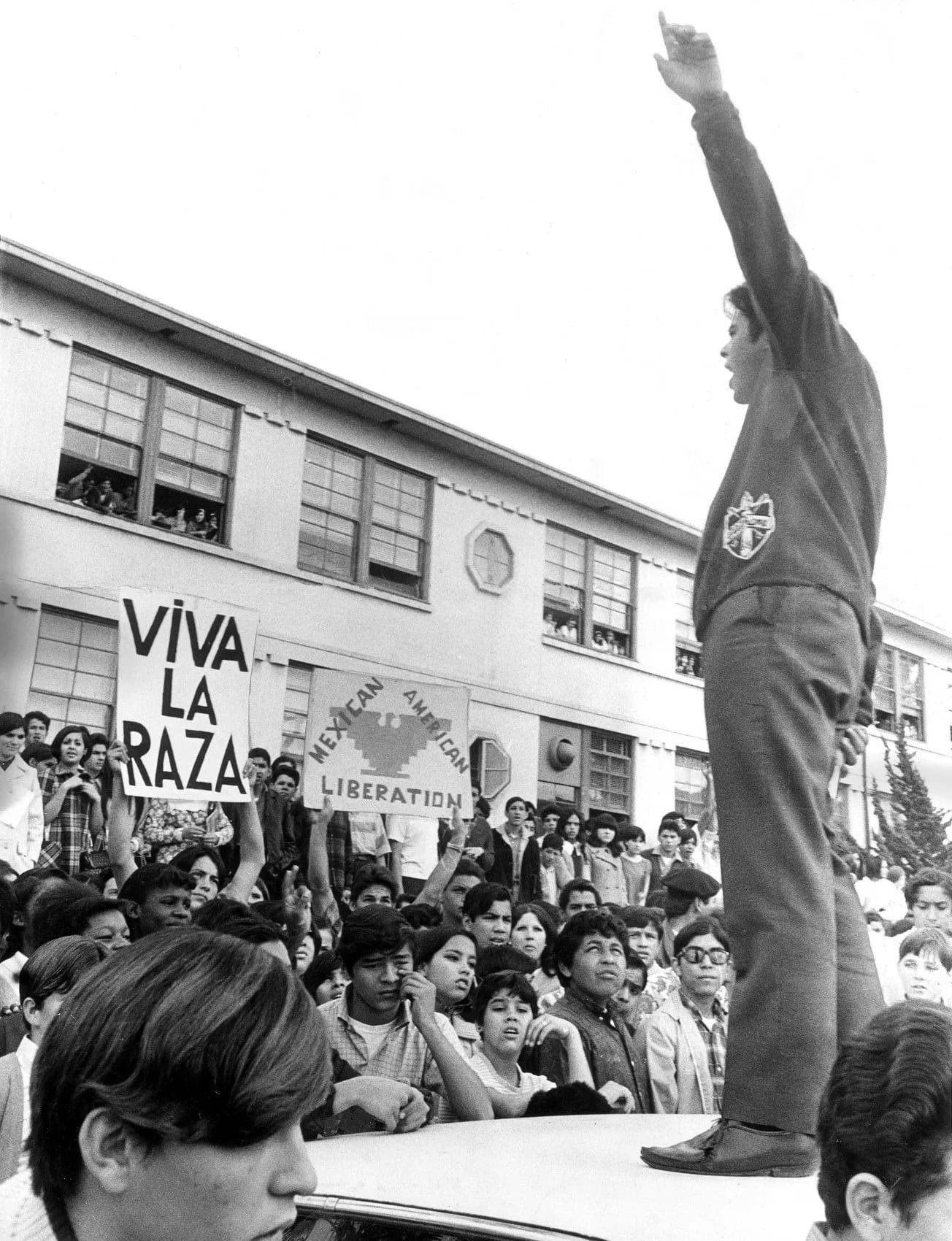
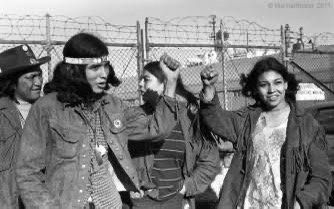
In contrast, by 1980 minority rights groups had made only limited progress in transforming societal attitudes and awareness, restricting the overall extent of progress achieved. The 1968 mass “Walk-Out” increased national awareness of minority educational inequality against Hispanic Americans, led by campaigner Rodolfo Gonzales. demonstrating progress in visibility; however, it also generated hostility and resistance, indicating that awareness did not equate to acceptance. The 1969 Stonewall riots marked a turning point for LGBTQ rights by transforming local protests against police harassment into a visible, politicised movement, increasing societal awareness of discrimination, but the widespread stigma and institutional barriers that persisted meant that this visibility did not yet translate into full social acceptance. The 1973 occupation of Wounded Knee Village forced media attention onto Native American grievances, yet its portrayal as militant undermined public sympathy and reinforced negative stereotypes. These examples show that minority rights groups succeeded in drawing attention to injustice, fulfilling the awareness criterion to some extent. However, significant progress in societal attitudes requires durable shifts in public opinion, which had not occurred by 1980. Instead, increased visibility often intensified backlash, limiting the effectiveness of awareness-raising efforts. Therefore, progress in societal attitudes was limited and fragile, making it the weakest area of advancement and a major constraint on overall progress.
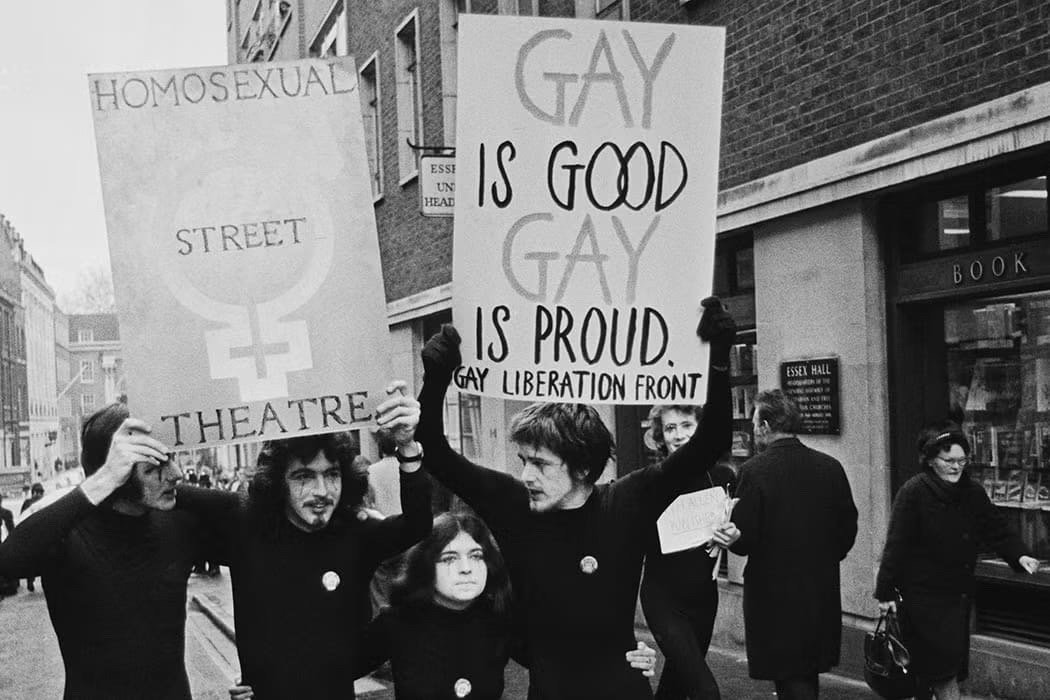
By 1980, minority rights groups had made moderate progress in participation in society, though this progress remained narrow and heavily dependent on individual success rather than systemic change. The election of Kathy Kozachenko in 1974 marked a symbolic breakthrough, demonstrating that minorities could access political office; however, her uniqueness highlights how limited representation remained. Harvey Milk’s campaign against the discriminatory Proposition 6 showed increased political organisation and influence, particularly in mobilising voters to defeat discriminatory legislation, yet the need for such a campaign underscores the persistence of opposition. The 1979 National March on Washington further illustrated increased confidence and collective mobilisation, but its scale also reflected continued marginalisation rather than full integration. These examples demonstrate progress when compared to the 1960s, when minorities were largely excluded from formal political participation. However, participation remained exceptional rather than widespread, limiting its transformative significance. As a result, participation in society improved only to a moderate extent, reinforcing legislative gains but failing to indicate full social inclusion by 1980.
Overall, minority rights groups had made moderate but uneven progress by 1980 compared to the 1960s. Legislative reform represented progress to a large extent, providing formal recognition and legal protection. Participation in society improved to a moderate extent, though it remained limited in scale. In contrast, societal attitudes showed only limited progress, significantly constraining the depth and sustainability of change. Because societal attitudes lagged behind legal and political developments, overall progress remained incomplete. Consequently, while minority rights groups were in a stronger position by 1980, the extent of significant progress achieved was real but limited, demonstrating incremental rather than transformative change.