Historical Reflection
Focus: How do everyday objects and reconstructed spaces shape collective memory of the Maratha past?
The Raja Dinkar Kelkar Museum: Ordinary can be Extraordinary
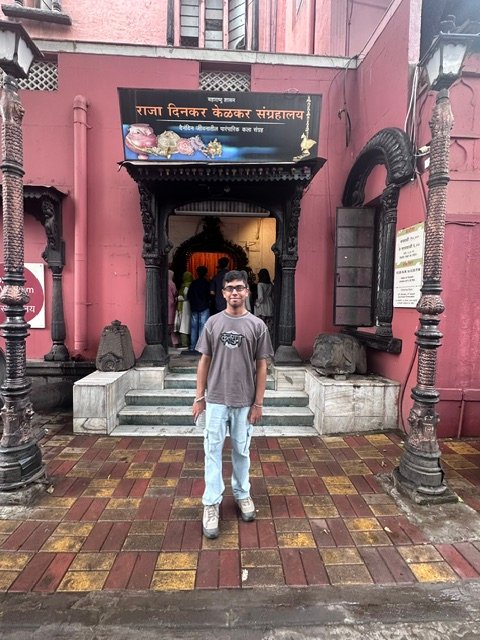
The Raja Dinkar Kelkar Museum in Pune is more than a collection of historical curiosities; it is a complex site of cultural memory. Curated by Dr. D.G. in memory of his late son, the museum houses over 21,000 artefacts that span the everyday, the elite, and the extraordinary of Indian history. For historians, these objects serve as physical manifestations of ‘lieux de mémoire’, spaces where abstract historical narratives concrete themselves into material form. By examining the collection, particularly its focus on Chhatrapati Shivaji Maharaj and the Mastani Mahal, we can analyse how objects construct, preserve, and sometimes distort historical memory.
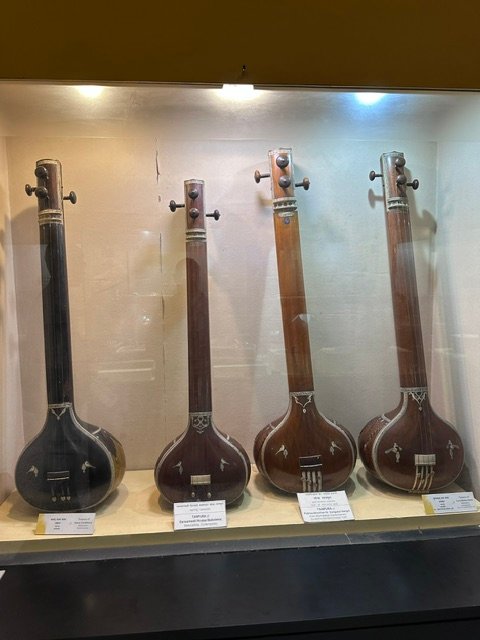
Unlike traditional royal treasuries, much of the Kelkar collection focuses on ordinary material culture, including writing instruments, lamps, locks, and musical instruments. In historical analysis, these items democratise memory by shifting the historical lens away from purely political timelines toward the history of daily life. A multi-wick brass lamp or an intricately carved nutcracker is not merely a tool, but rather an archive of domestic life, technological evolution, and regional aesthetics in Western India. Through these mundane objects, the museum reconstructs a collective memory of Maratha society that textual records often ignore.
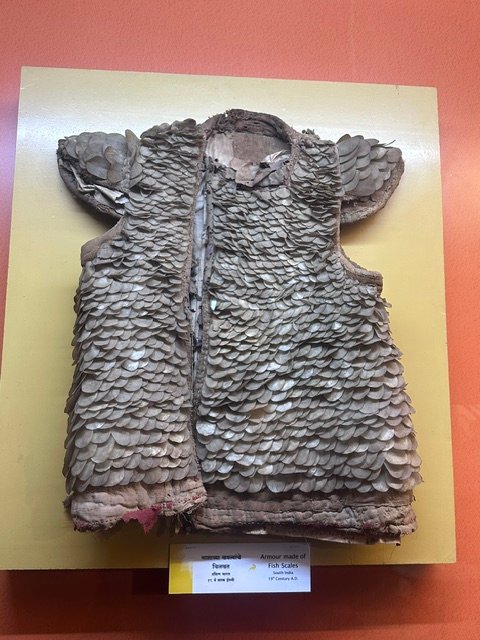
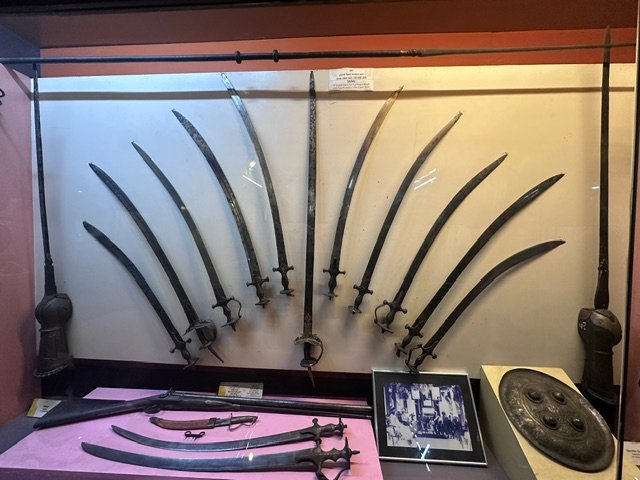
The sections dedicated to Chhatrapati Shivaji Maharaj demonstrate how material culture can solidify institutional memory and political legacy. The museum displays weapons, armor, and contemporary portraits related to the Maratha empire, reinforcing Shivaji's role as a central pillar of regional identity. Analytically, the museum acts as a guardian of this heroic memory. By preserving the physical instruments of Maratha warfare, the museum reinforces a narrative of resistance and sovereignty. These objects cease to be mere steel, but instead become symbols of defiance and statecraft, forcing the viewer to engage with a curated memory of Maratha pride.
Perhaps the most striking intersection of architecture and memory within the museum is the reconstructed Mastani Mahal. Originally built by Peshwa Baji Rao I for his second wife, Mastani, the palace room was dismantled from its original site and meticulously reassembled within the museum walls. This exhibit highlights the tension between historical reality and romanticized cultural memory. Mastani, a woman of complex Muslim and Rajput heritage, was historically marginalised by the Pune court. However, through the preservation of her residential quarters, the museum elevates her from a footnote in patriarchal history to a central historical subject.
Yet, this preservation also forces us to question the nature of public memory. The physical beauty of the artefacts risks romanticising her tragic history, replacing a memory of conflict with one of aesthetic elegance. Ultimately, the Raja Dinkar Kelkar Museum demonstrates that memory is not static; it is actively shaped by what is preserved and how it is displayed. Through the democratic curation of everyday artefacts, the heroic framing of Shivaji Maharaj, and the physical resurrection of the Mastani Mahal, the museum builds a layered narrative of the Maratha past, inviting students to question how material culture dictates what a society remembers and what it chooses to forget.